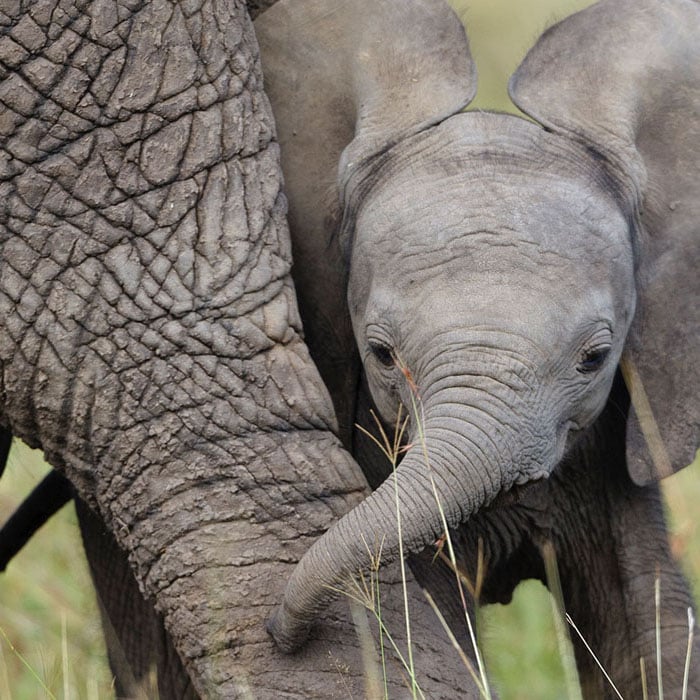
According to the World Wildlife Fund, each year, at least 20,000 African elephants are illegally killed for their tusks. A decade-long resurgence in demand for elephant ivory, particularly in parts of Asia, has fueled this rampant poaching epidemic. The elephant ivory trade not only threatens the very survival of this iconic species and causes broader ecological consequences, but also endangers the lives and livelihoods of local people and undermines national and regional security. Read more here: Stopping Elephant Ivory Demand
World Wildlife Fund Learn About African Elephants
One Earth: Asian elephants: highly intelligent caretakers of the Southeast jungles
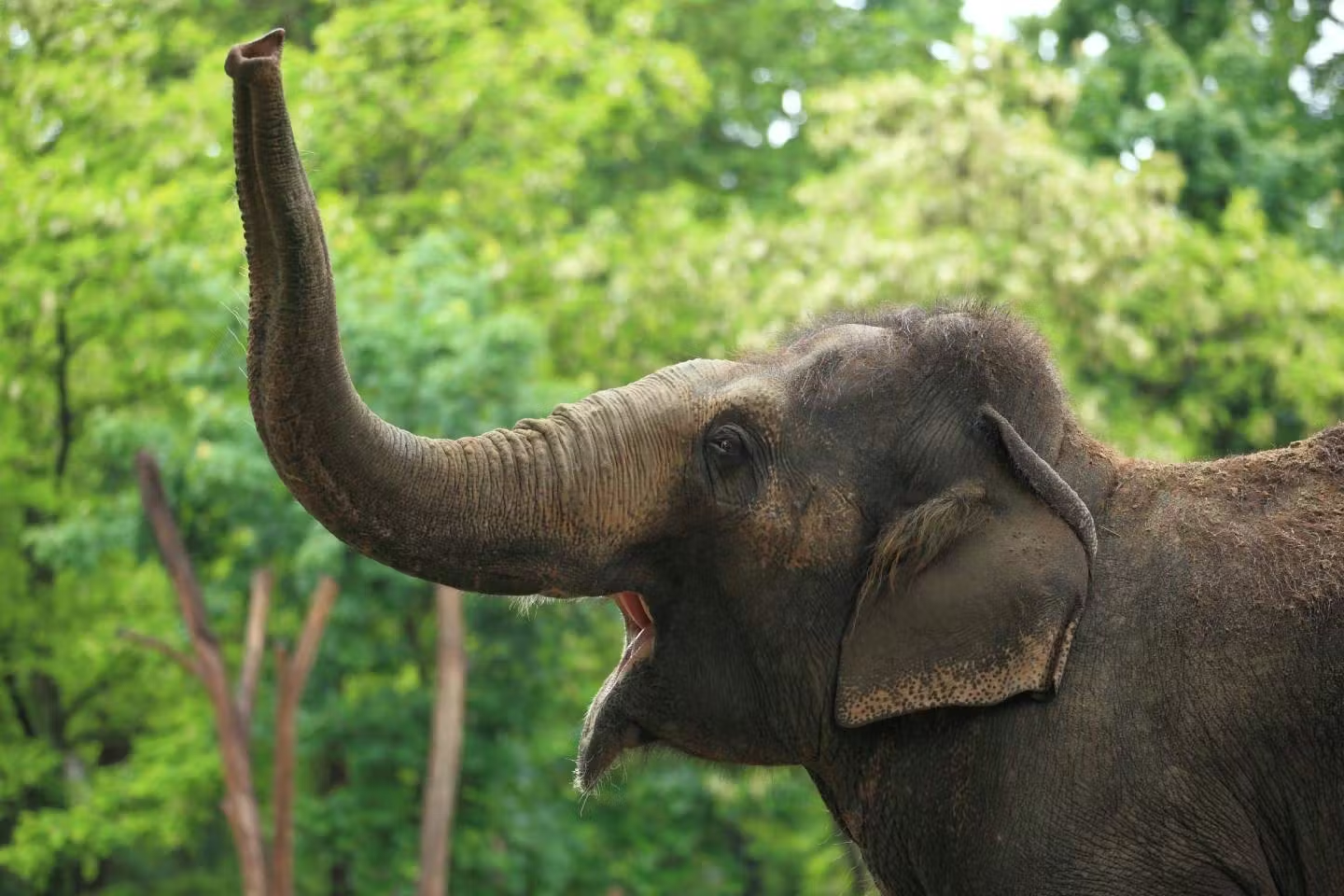
Botswana Elephants under Threat video
According to the International Fund for Animal Welfare, Elephants, known for their intelligence, size, and distinct appearance, face a major threat from poaching—an illegal practice driven by the demand for ivory and other elephant products. They are one of the most heavily poached mammals in the world, with a staggering 90% of African elephants being killed by poachers within the last 100 years. Elephant Poaching: Why It’s a Big Problem
Environmental Investigation Agency Saving Elephants from the Ivory Trade
International Elephant Project Threats Facing Asian Elephants
Colorado State University Warner College of Natural Resources: More than 50 years of survey data confirm African elephant decline states that “from 1964-2016, forest elephant populations decreased on average by 90%, and savanna elephant populations fell on average by 70%. In combination, populations declined by 77% on average. The study compiled survey data from 475 sites in 37 countries, making it the most comprehensive assessment of African elephants to date.”
Population Matters The Duel Threats to Endangered Elephants The African savanna elephant is classified as endangered on the IUCN red list, and the African forest elephant critically endangered. Like every animal under threat, a constellation of factors contributes. Among those factors is population growth on the continent from which these animals take their names. The main threats to elephant’s survival are poaching for the ivory trade and habitat fragmentation. Currently, two-thirds of the African continent still provides suitable habitat for elephants. Only 17% of that habitat is available to them due to the development of roads, farms and urban centres.
The Current Elephant Poaching Trend by Iain Douglas-Hamilton PDF White Paper
https://www.cell.com/current-biology/fulltext/S0960-9822(19)30675-X
Humane World US Fish and Wildlife Service issues stronger protections for African elephants Note: This was in the spring of 2024, so now what?
Genewhiz: Interview with Sam Wasser on Using Forensic Science to TO Catch Elephant Poachers
The Conversation: Articles on Elephant Poaching
Traffic African Elephants: Conservation and the Global Trade in Ivory
Columbia Magazine Elephant Poaching is Still a Huge Problem 2017 but still relevant
also Current Biology Evidence of a Growing Elephant Poaching Problem in Botswana 2018, also relevant
David Shepherd Wildlife Foundation Top 10 Interesting Facts About Elephants
Wikipedia Elephant
 Gentle Paws, for the Animal Lover